
Navigating Difficult Conversations: A Former Officer's Guide to Talking with Parents About Safety
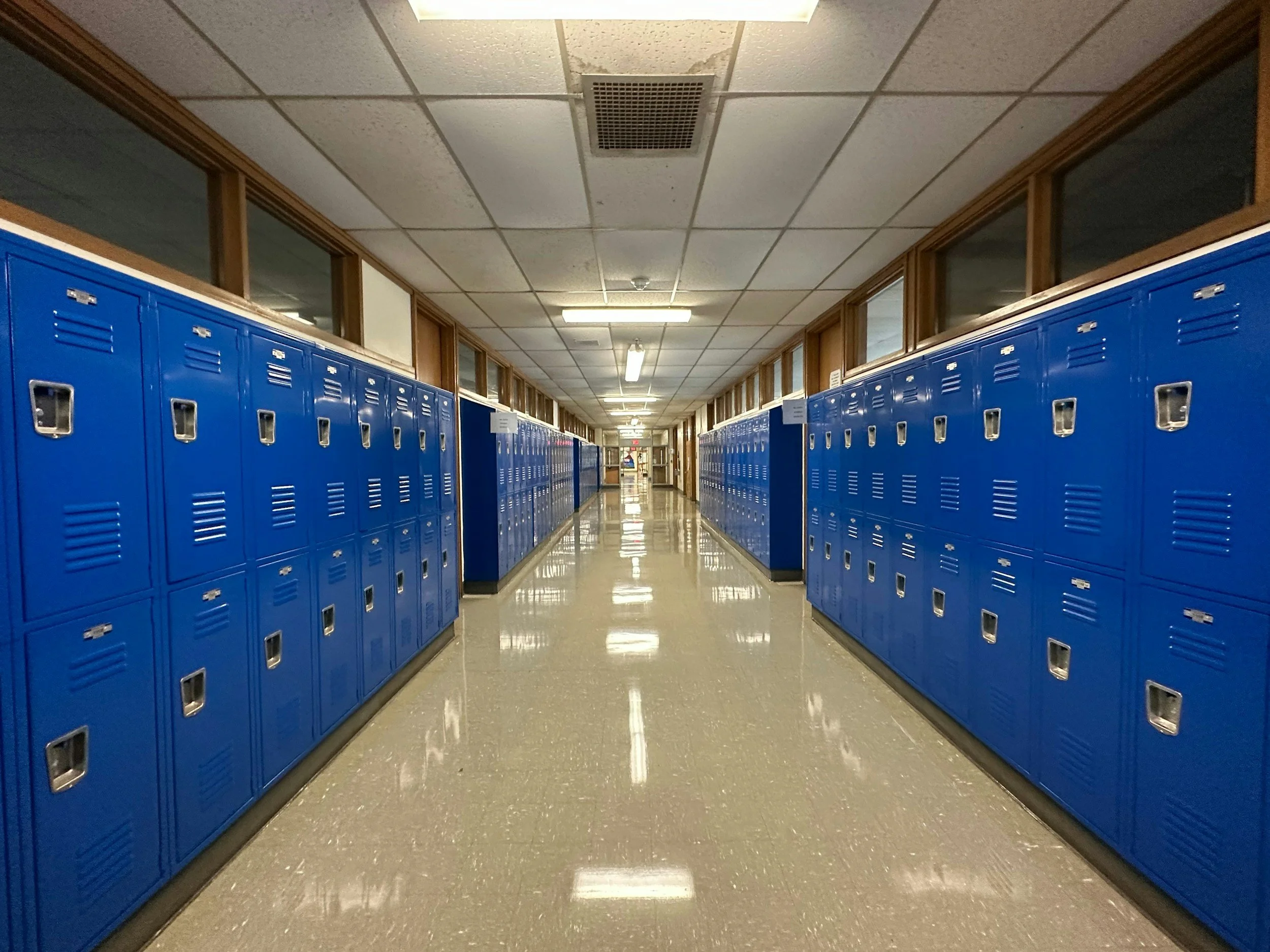
After almost 20 years in law enforcement and now working in school safety, I've had thousands of difficult conversations. I've knocked on doors at 2 AM with news no parent (or person) should hear. I've sat across from families in crisis. And now, I have those conversations in school hallways and conference rooms.
Here's what I've learned: the conversations we have before a crisis are just as important as the ones we have during one. And as parents, you deserve straight talk from someone who's seen what happens when communication breaks down.
Let me share what works.
Why I'm Writing This
In my years in law enforcement, I saw preventable tragedies unfold because someone didn't want to have an uncomfortable conversation. A teacher noticed something but didn't want to "overreact." A parent saw warning signs but didn't know who to tell. A school resource officer had concerns but wasn't sure how to approach a family.
I'm on a mission to change that. These conversations save lives. Period.
The Trust Factor
In law enforcement, we talk about building rapport before we need it. The same principle applies here. The relationship between parents and school staff shouldn't start when there's a problem.
Think of it this way: if the first time you hear from your child's school is when there's a safety concern, you're already starting in a defensive position. But if you've had regular, positive interactions, when a serious conversation needs to happen, there's a foundation of trust to build on.
As parents, this means staying engaged with your child's school—not just when you're worried, but consistently.
When Schools Reach Out to You About Safety
Let's talk about what's happening on the other side of that phone call or email. I promise you, the educator reaching out to you has probably agonized over it. They've thought carefully about whether to contact you, how to say it, and what your reaction might be.
Here's what they're trying to do:
They're partnering with you, not accusing you. When a school contacts you about a safety concern, they're inviting you into problem-solving. They're not saying you're a bad parent. They're saying, "We care about your child, and we need your help."
They're seeing patterns you might not see. Teachers and staff observe your child in social settings, with peers, during unstructured time. They might notice things that aren't visible at home—and vice versa. You might see things at home they've never observed at school.
They have a duty to act. Some conversations aren't optional. Schools have legal and ethical responsibilities when it comes to safety. If a staff member reaches out about a concern, trust that it matters.
The Four-Part Framework I Use
Whether I'm talking with parents about bullying, concerning behavior, or potential threats, I follow a simple approach:
Set the stage clearly. I'm upfront about why I'm calling and that we share the same goal: keeping your child safe and helping them succeed. No ambiguity, no beating around the bush.
Acknowledge the difficulty. I know these conversations are hard to receive. I'm a parent too. I get it. But difficult doesn't mean we avoid them.
Share the facts, just the facts. I stick to what was observed, heard, or documented. "On Tuesday, your son..." not "Your son is..." Behaviors, not labels. Specifics, not generalizations.
Ask for your input. This is crucial. I ask parents what they're seeing, what they know, what context they can provide. Some of the best insights I've gotten have come from parents saying, "Oh, we just started..." or "I didn't realize that was happening at school too."
What Parents Should Know
Let me be straight with you about a few things:
Early intervention prevents escalation. In law enforcement, we learned that small problems ignored become big problems later. If a school reaches out early, that's good news. It means they're being proactive, not reactive.
Your child's safety is everyone's job. It's not just the school's responsibility or just your responsibility. It's a team effort. The best outcomes happen when parents and schools work together.
Defensive reactions are natural—but try to move past them. I get it. When someone calls about your kid, your instinct is to protect them. But take a breath. Ask questions. Get the full picture. Then decide how to respond.
Documentation matters. If a school is documenting concerns, they're not building a case against your child. They're creating a record that helps everyone track patterns, interventions, and progress. This protects your child too.
Red Flags That Require Immediate Action
Some concerns can't wait for a scheduled meeting. As a former officer, these are the situations where I tell parents and schools to act immediately:
Threats of violence toward self or others
Evidence of weapons or plans to harm
Disclosure of abuse or neglect
Severe behavioral changes combined with concerning statements
Signs of substance abuse or criminal activity
If you see these warning signs in your child or hear about them from school, don't wait. Don't minimize. Take action.
When You Need to Initiate the Conversation
Sometimes parents are the ones who need to reach out to schools with safety concerns. Maybe your child is being bullied. Maybe you're worried about another student's behavior. Maybe something happened outside of school that teachers should know about.
Here's my advice:
Don't wait. The longer you wait, the harder it gets and the more opportunity there is for situations to escalate.
Be specific. "I'm worried about my son" is a start, but "My son came home with bruises three times this week and mentioned another student's name each time" gives the school something concrete to work with.
Follow the chain of command. Start with the teacher or counselor. If you don't get a response or resolution, move up. Know who the principal, safety coordinator, and superintendent are.
Document everything. Dates, times, what your child said, who you talked to at school, what was agreed upon. I can't stress this enough.
The Conversations Nobody Wants to Have
In my law enforcement career, I've responded to school incidents that started with ignored warning signs. I've interviewed families afterward who said, "I didn't want to make a big deal out of it" or "I thought I was overreacting."
Let me tell you something I learned on the job: it's better to have ten unnecessary conversations about safety than to miss the one that mattered.
If your gut tells you something is off—with your own child, with another student, with a situation at school—speak up. The worst that happens is you were wrong and everyone can relax. The alternative is much worse.
Building a Safety-First Culture
The schools that do this well have created a culture where safety conversations are normal, not exceptional. Parents feel comfortable reaching out. Teachers don't hesitate to make the call. Students know they can report concerns without being labeled a snitch.
This doesn't happen by accident. It happens when:
Schools communicate regularly with families, not just during crises
Parents respond to school outreach with openness, even when it's hard
Everyone agrees that safety comes before comfort
There's zero tolerance for retaliation against people who raise concerns
My Challenge to Parents
As someone who's seen the worst-case scenarios, I'm asking you to embrace these difficult conversations. When your child's school reaches out with a concern, resist the urge to defend, deny, or dismiss. Take a breath. Listen. Ask questions. Then work together on solutions.
And if you're the one with concerns, don't stay silent. Don't assume someone else will say something. Don't worry about being that parent. Be the parent who cares enough to have the hard conversation.
I've seen lives saved because someone spoke up. I've also seen tragedies unfold because everyone thought someone else would handle it.
The Bottom Line
These conversations are uncomfortable. They require vulnerability, trust, and sometimes courage. But they're non-negotiable when it comes to keeping kids safe.
After years in law enforcement, I can tell you that most crises give us warning signs. The question is whether we're paying attention and willing to act on them.
Your child's school isn't perfect. You're not perfect. I'm not perfect. But together, we can create an environment where safety comes first and difficult conversations happen before they become emergency responses.
That's worth every awkward phone call, every uncomfortable meeting, and every moment of uncertainty.
Because at the end of the day, we're all here for the same reason: to make sure every child gets home safe.