
From the Front Lines to the Front Office: Why Former Law Enforcement Makes the Best Title IX Partners
Transitioning from a career in law enforcement where I was working child sexual assault cases, human trafficking investigations, and analyzing mountains of digital forensics evidence to the world of K-12 administration might seem like an unusual pivot. But as a former detective and School Resource Officer, I've found that the two worlds have more in common than most people expect. The skills you build in specialized crimes work don't just translate to Title IX compliance, in many ways, they're exactly what schools need right now.
The stakes in Title IX have never been higher. We're no longer talking about simple disciplinary matters. Schools are navigating complex trauma responses, digital evidence, and a very real responsibility to protect students. That's not a job for a checklist. It requires experience — which is why I pursued ATIXA certification in Title IX K-12 Investigations, combining that formal training with years of real investigative work in the field.
Here's why your local investigator or a retired officer with the right background, might be the most valuable person on your Title IX team.
Trauma-Informed Interviewing Comes Naturally
Anyone who has worked in child sex crimes or trafficking learns fast that a standard interview approach simply doesn't work. Victims may be frightened, ashamed, or struggling with fragmented memories because of how trauma affects the brain. You adapt or you get nowhere.
That means building genuine rapport before asking a single difficult question. It means creating an environment where a student feels safe enough to disclose something they may never have told anyone. It means listening not just to what someone says, but to what they don't say the hesitation, the deflection, the subtle signs that something else is going on.
Law enforcement professionals who've worked these cases carry that instinct with them. It doesn't go away when you change jobs.
Digital Evidence Is a Specialty, Not an Afterthought
Most Title IX cases today have a digital component. Harassment, unwanted images, and grooming almost always leave a trail across Snapchat, Instagram, Discord, and a rotating cast of apps specifically designed to make evidence disappear.
I've seen firsthand how quickly that evidence can vanish or be altered if no one knows what to do in the first moments after a report. A trained investigator brings a different mindset to this:
Authenticity checks: Knowing how to evaluate whether a screenshot has been manipulated.
Evidence preservation: Advising schools on how to properly secure digital records before they're deleted.
Platform awareness: Staying current on the apps students are actually using, including the ones designed to hide content.
This isn't something you can learn from a compliance manual. It takes real investigative experience.
Understanding School Culture From the Inside
There's something that only comes from having actually worked inside a school and that's understanding how students think, how social dynamics operate, and why so many kids stay silent even when something serious is happening.
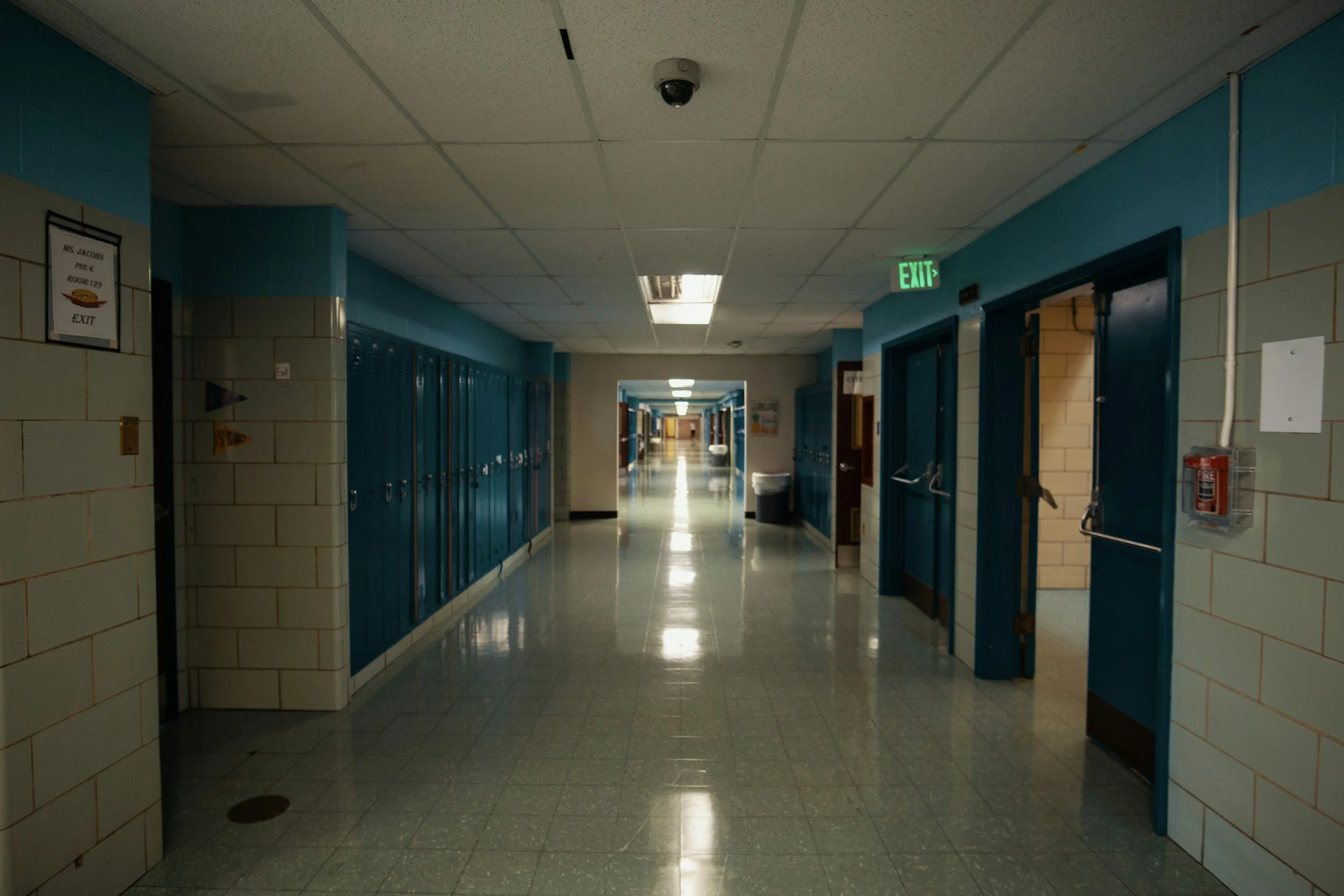
As an SRO, I walked those halls. I understood the social hierarchies, the fear of retaliation, and the enormous pressure students feel to protect their friend groups or their school's reputation. That context matters enormously in a Title IX investigation. It shapes how you approach interviews, how you interpret silence, and how you conduct an investigation without disrupting the school community any more than necessary.
An outside consultant who's never been in that environment is working at a disadvantage from day one.
Objectivity That's Been Trained and Tested
One of the most difficult challenges for school staff handling Title IX cases is the conflict that comes with wearing two hats. It's genuinely hard to cheer for a student at Friday's game and then serve as a neutral investigator on Monday morning. That tension doesn't make school staff bad people, it makes them human.
Law enforcement professionals are trained to set that aside. The job is to follow the evidence, not to confirm a pre-existing conclusion. Whether that means the evidence points toward a student, a staff member, or no finding at all the goal is accuracy, not outcome. That kind of neutrality is exactly what federal law requires in a "fair and equitable" process.
A Common Language With Law Enforcement
When a Title IX matter crosses into criminal territory and it happens more often than schools anticipate, having an investigator who already speaks the language of law enforcement makes an enormous difference.
That means knowing when to pause an administrative investigation to avoid compromising a parallel criminal one. It means understanding the difference between the preponderance of evidence standard required for Title IX and the beyond a reasonable doubt threshold used in criminal court. And it means documenting everything in a way that holds up if a subpoena ever arrives.
Schools that have navigated both a Title IX process and a criminal investigation simultaneously know how complicated that coordination can get. Having someone in the room who's been on both sides of that table is genuinely helpful.
The Bottom Line
Title IX compliance is ultimately about two things: protecting students and ensuring fairness. Getting that right requires more than good intentions and a binder full of policies. It requires real investigative skill, genuine empathy for trauma survivors, and the kind of professional objectivity that protects everyone involved; the students, the staff, and the institution.
As an ATIXA-trained Title IX investigator with a background in specialized law enforcement, I bring both the framework and the field experience to that work. Not because the credential alone is enough, but because pairing rigorous training with years of real-world investigative practice is what actually moves the needle for schools.
Safety is a practice, not a policy. Let's make sure the people leading that work are truly equipped for it.