
The “Forensically Sound” Mobile Exam Doesn’t Exist (And That’s OK)
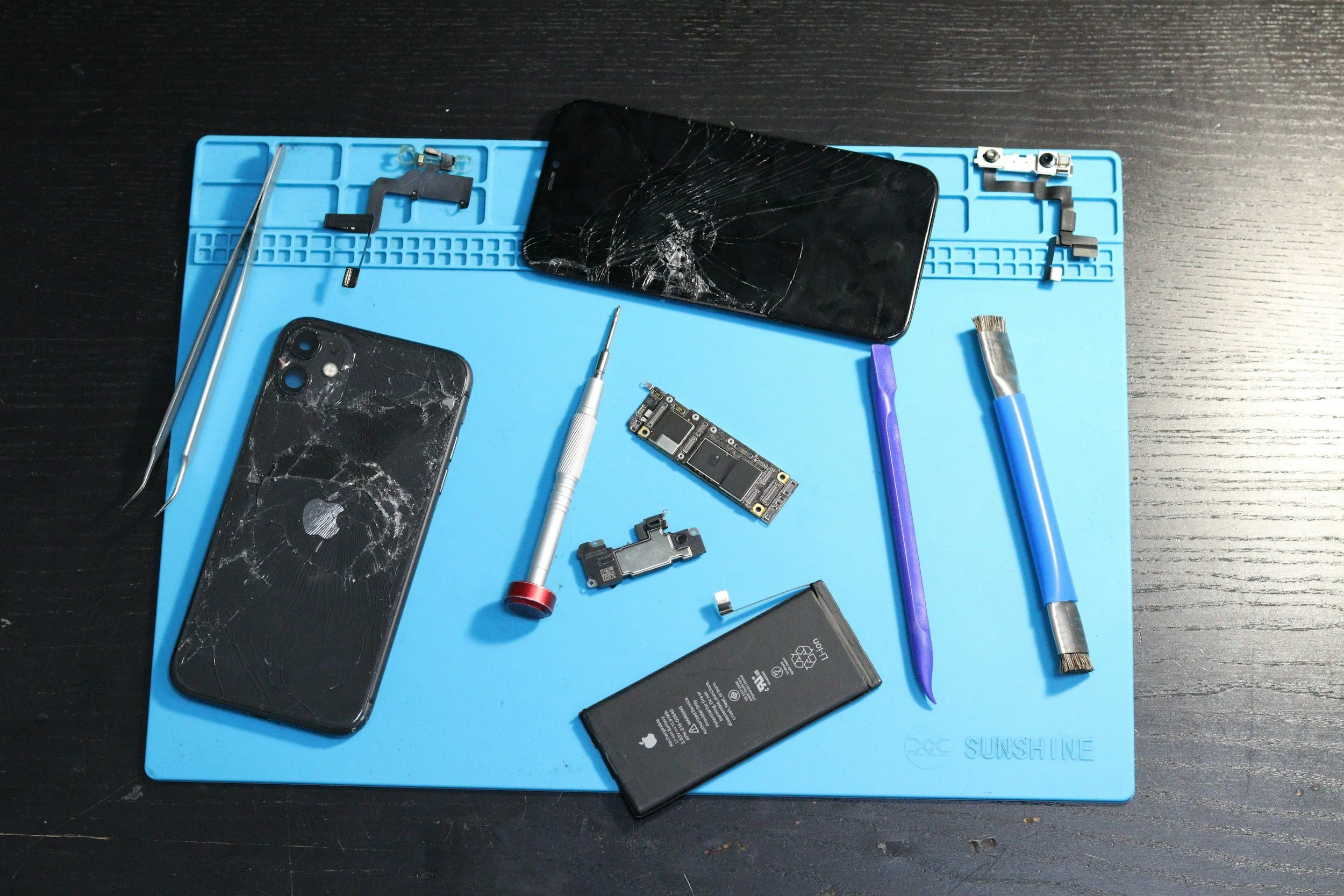
I need to be straight with you about something that might surprise you: there’s no such thing as a perfectly “forensically sound” mobile device examination in the way there is with computer hard drives.
If you’ve worked on cases involving computer forensics, you’re probably familiar with the gold standard: create a bit-for-bit forensic image of the hard drive, verify it with hash values, and work exclusively from that copy without ever touching the original. It’s clean, it’s defensible, and there’s broad consensus about the methodology.
Smartphones? They don’t work that way. And if your forensic expert is promising you they examined a phone without changing it at all, they’re either mistaken or not being completely honest with you.
Why Phones Are Different
The fundamental problem is that smartphones aren’t designed to be forensically examined. They’re designed to be secure, encrypted, and constantly changing.
Unlike a hard drive that you can power down and image without turning it on, a smartphone has to be powered on to be examined. And when it’s powered on, things are happening:
∙ The operating system is running
∙ Apps are updating
∙ Logs are being created
∙ Time stamps are changing
∙ Background processes are syncing data
There’s no way around this. The act of examining a smartphone changes it.
What “Minimal Impact” Really Means
Good forensic examiners don’t claim they leave phones unchanged. Instead, they minimize and document the changes they make.
This might include:
∙ Enabling airplane mode to prevent syncing
∙ Documenting every action they take during the exam
∙ Taking screenshots of their process
∙ Noting what tools they used and what those tools did
∙ Preserving logs that show what changed and when
The goal isn’t to avoid all changes—that’s impossible. The goal is to make sure the changes are minimal, documented, and don’t affect the integrity of the evidence.
The Tool Problem
Forensic tools for mobile devices work by interacting with the phone’s operating system. They have to send commands, receive responses, and pull data through interfaces that the phone’s manufacturer created.
Different tools work differently:
∙ Some create more changes than others
∙ Some can access more data than others
∙ Some work better on iPhones, others on Android
∙ Some leave more traces of their activity
A thorough examiner will often use multiple tools and cross-validate their findings. But each tool they use creates additional artifacts on the device.
This isn’t a flaw in the forensic process—it’s just the reality of how smartphone forensics works.
What This Means for Your Case
Here’s why this matters: you can’t hold mobile forensic exams to the same standard as hard drive forensics.
If opposing counsel tries to attack your expert because they “altered the evidence” by examining it, that’s a fundamental misunderstanding of how this field works. All mobile exams involve some level of interaction with the device.
The real questions are:
∙ Did the examiner minimize unnecessary changes?
∙ Did they document what they did?
∙ Are the changes they made likely to have affected the evidence that matters in your case?
∙ Did they follow generally accepted practices in the field?
Red Flags vs. Normal Practice
Red flags to watch for:
∙ An examiner who claims they didn’t change anything
∙ No documentation of what tools were used or what actions were taken
∙ Inability to explain what changes occurred during the exam
∙ Using outdated or unreliable tools
Normal practice:
∙ Detailed notes about the examination process
∙ Documentation of all tools and versions used
∙ Acknowledgment of what changed during the exam
∙ Explanation of steps taken to minimize impact
Questions to Ask Your Expert
When you’re working with a forensic examiner, ask:
∙ What changes did your examination make to the device?
∙ How did you minimize those changes?
∙ What documentation do you have of your process?
∙ Did you validate your findings using multiple methods?
∙ Are there any limitations to your examination that I should know about?
These questions show you understand the field and help you assess whether your expert is being thorough and honest about their methodology.
The Bottom Line
Perfect forensic soundness is a myth when it comes to smartphones. But that doesn’t mean the evidence is unreliable or inadmissible.
What matters is that your expert follows best practices, documents their work, and can explain what they did and why. The fact that examining a phone changes it slightly isn’t a weakness in your case—it’s just how smartphone forensics works.
Don’t let opposing counsel scare you with arguments about “compromised evidence” just because the examiner had to turn the phone on and interact with it. That’s not a valid criticism. It’s a misunderstanding of the technology.
If you’re concerned about the methodology used in your case, I’m happy to take a look and let you know whether what was done falls within acceptable practice or whether there are legitimate issues to worry about.