
When a school district brings in an outside investigator, it usually needs three things. It needs the facts. It needs a fair process. And it needs a report that still stands when parents, board members, or attorneys start asking hard questions.
I spent 20 years in law enforcement working on all three. But what helps me most with schools isn’t the number of cases I closed. It’s that I worked inside a school every day, and I’ve also been the person who had to make a decision based on someone else’s report.
Working Cases as a Detective
On paper, a detective’s job is simple: figure out what happened and follow the evidence wherever it goes. In practice, that meant talking to people who didn’t want to talk to me and sorting real information from rumor.
A lot of my career was spent as a detective working on human trafficking task forces and Internet Crimes Against Children cases. Many of those cases involved kids who had been through real trauma. I learned that how you talk to a child matters as much as what you ask. I’m trained in forensic interviewing of children and in interviewing victims of trauma. In a school investigation, one badly handled student interview can sink the whole thing.
On Campus as an SRO
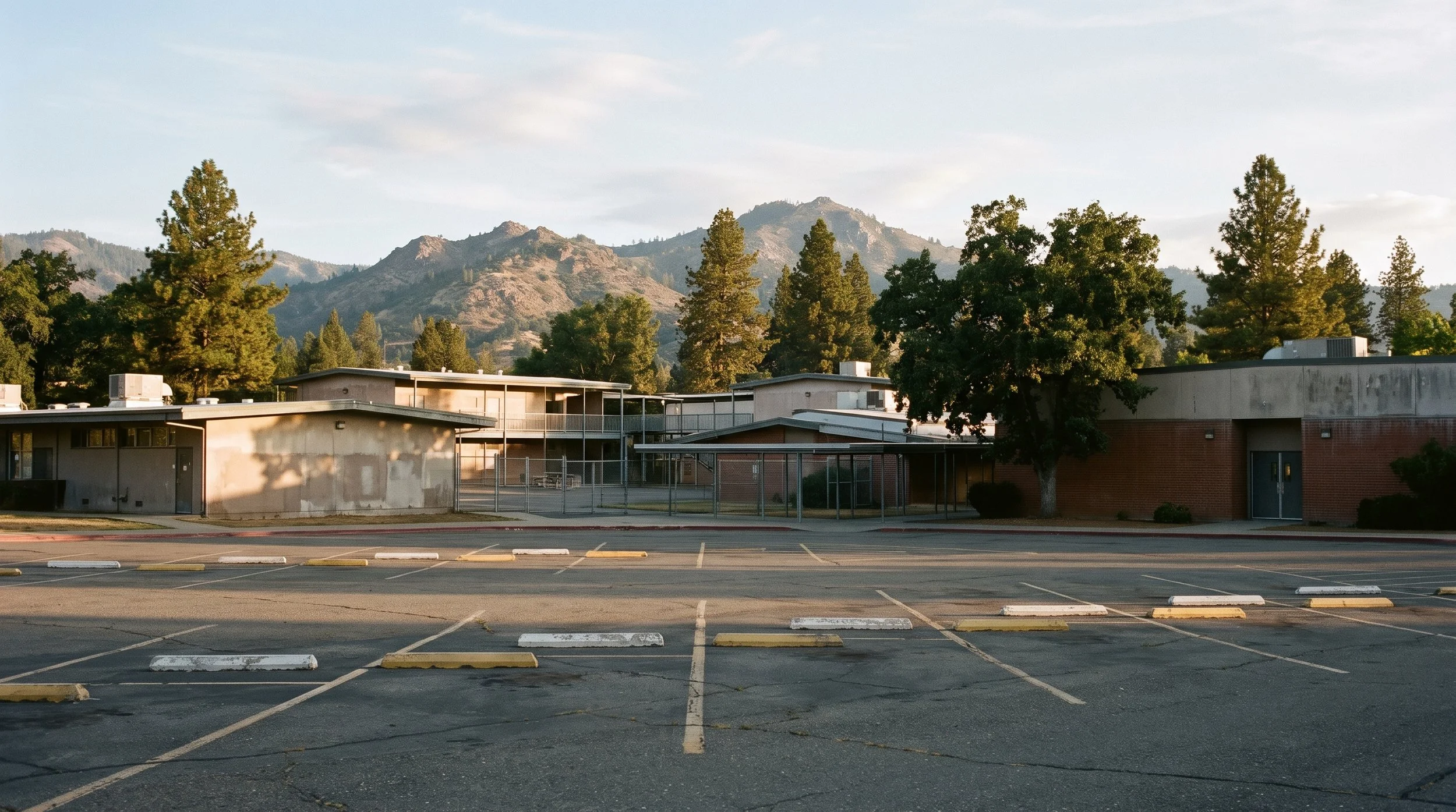
My time as a School Resource Officer showed me what a school looks like from the inside. I watched a hallway rumor turn into a crisis by lunch. I watched administrators try to keep classes running while a complaint hung over the building.
It also taught me how kids talk. Most students will tell an adult what they think the adult wants to hear, or they’ll say nothing at all. That changes when they feel comfortable. You don’t learn that in a training room. You learn it by being on campus day after day.
Signing Off on the Work
I served as a lieutenant and assistant division commander at a large law enforcement agency, where I oversaw a special operations division. My job shifted from running investigations to reviewing them and signing off.
That changed how I write. I know what a superintendent, HR director, or Title IX coordinator needs from a report: clear findings, evidence laid out so anyone can follow it, and reasoning that holds up if someone challenges it. I write for the person who has to act on the report.
What That Means for Your District
When I take on a Title IX matter or a complaint involving staff or students, here’s what you get:
I know how to interview kids and trauma survivors. I’m trained for it and I’ve done it for years.
I understand how schools run. I work around your schedule and try not to pull staff away from their jobs more than I have to.
I’m neutral. I don’t work for either side. My job is to find out what happened.
I write for the people making decisions. You get a clear report you can act on and defend.
I stand behind my work. I’ve testified as an expert witness more than ten times.
I keep my training current as a member of ATIXA (Association of Title IX Administrators), CALI (California Association of Licensed Investigators), and AWI (Association of Workplace Investigators).
Through Hat Creek Solutions, I work with school districts across Northern California, including Shasta, Butte, Tehama, Siskiyou, Trinity, and Plumas counties.
If your district has a situation that needs an outside investigator, give me a call. We can talk through what’s going on and whether I’m the right fit.